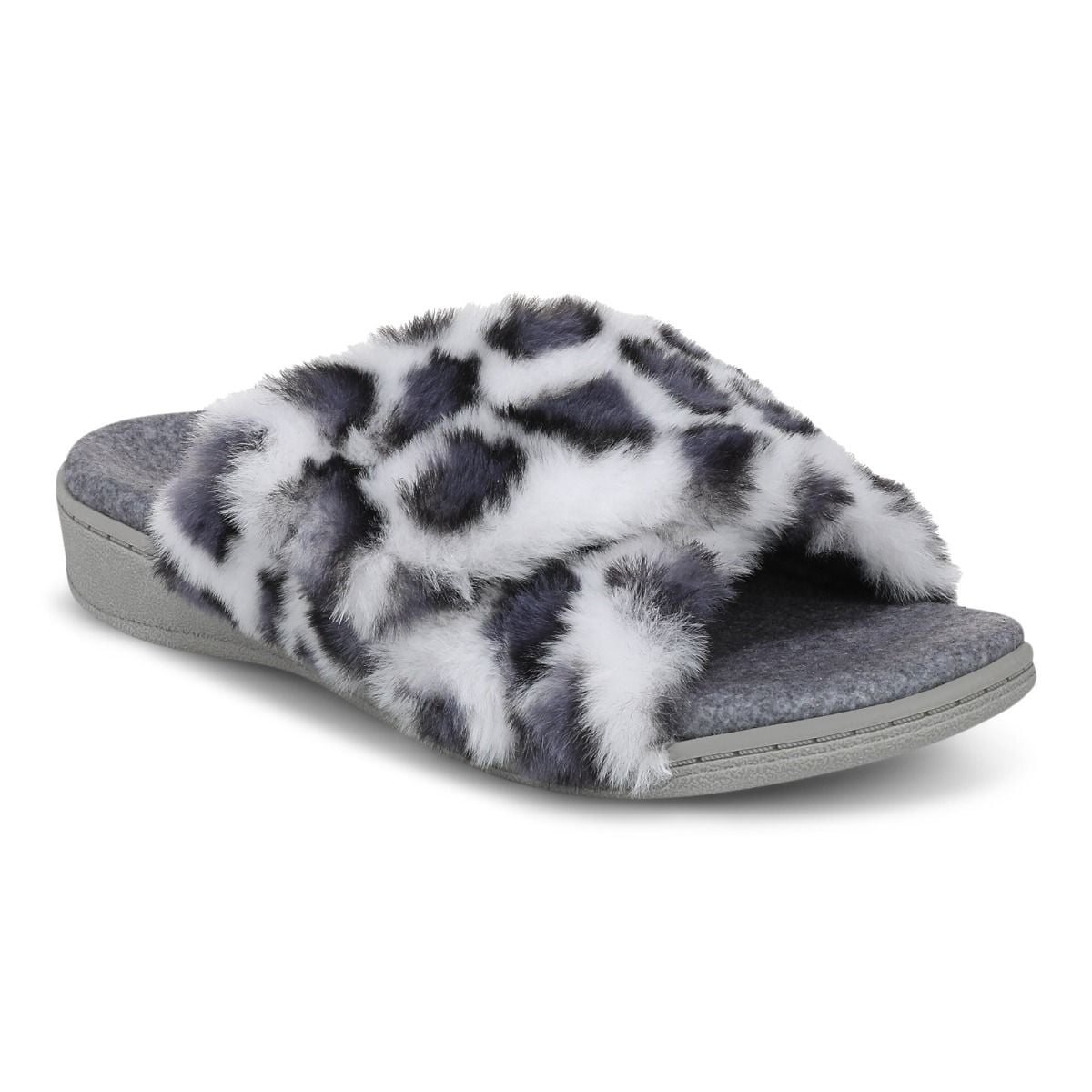
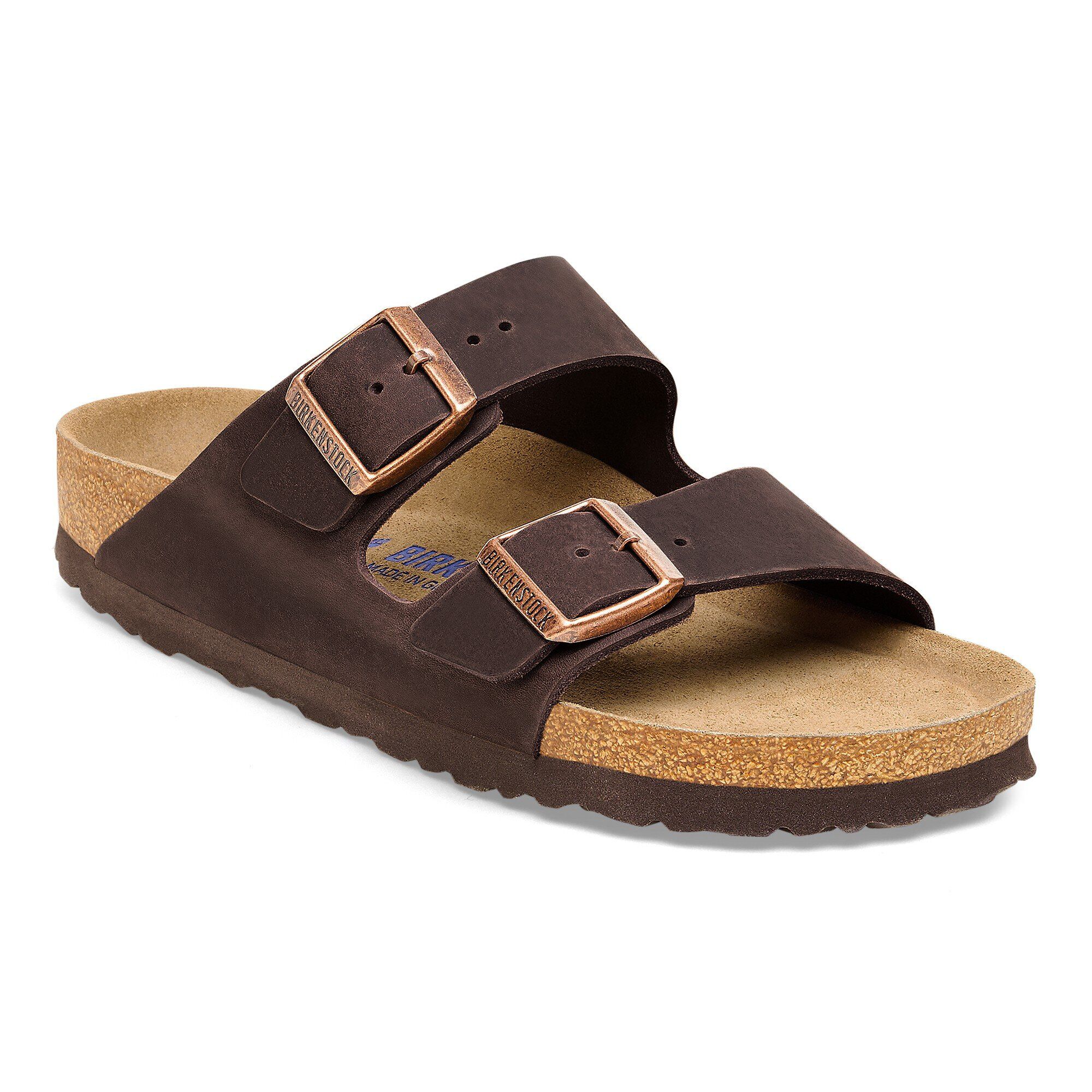
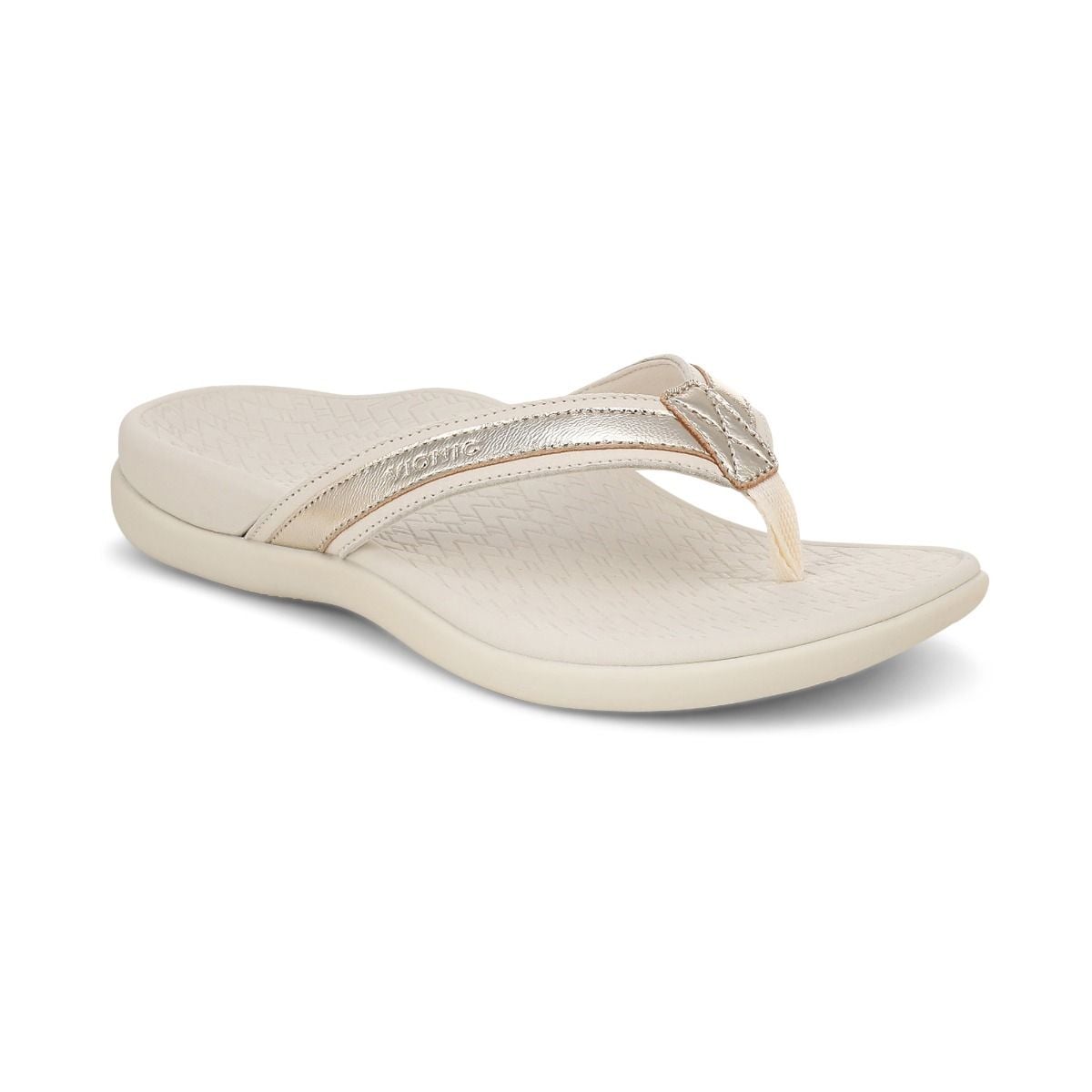
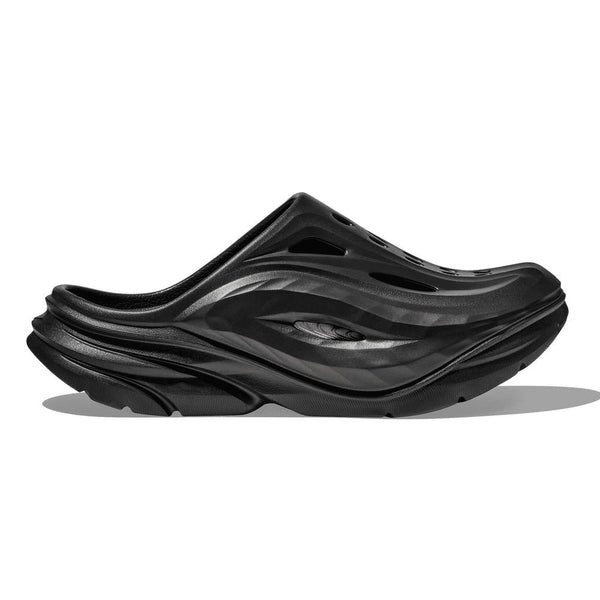
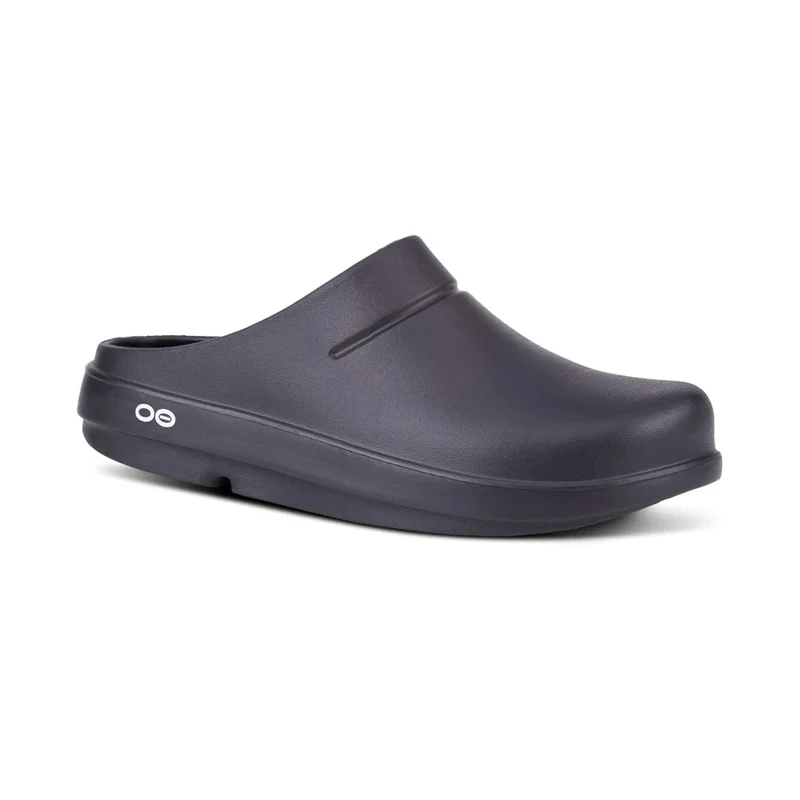
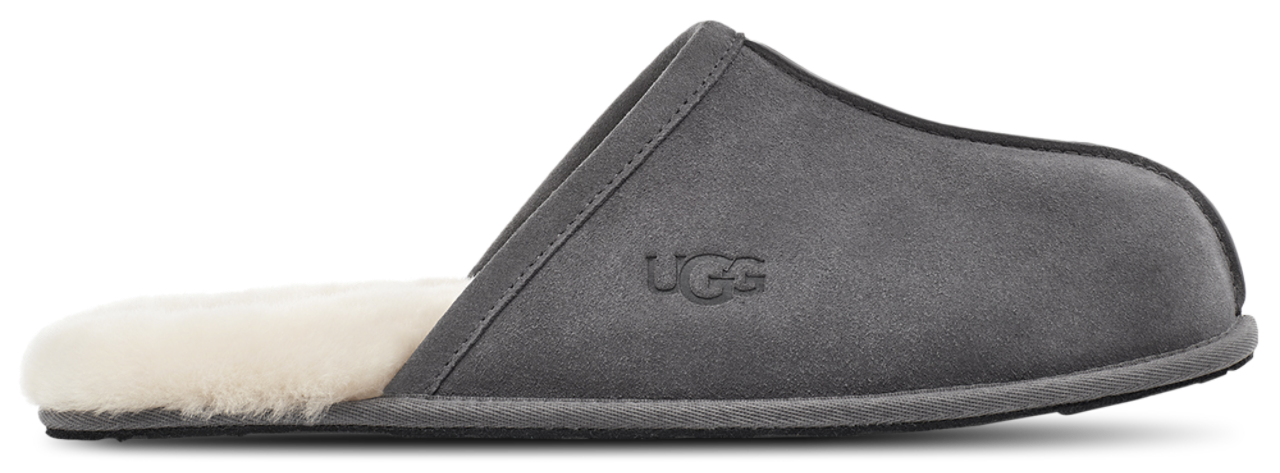
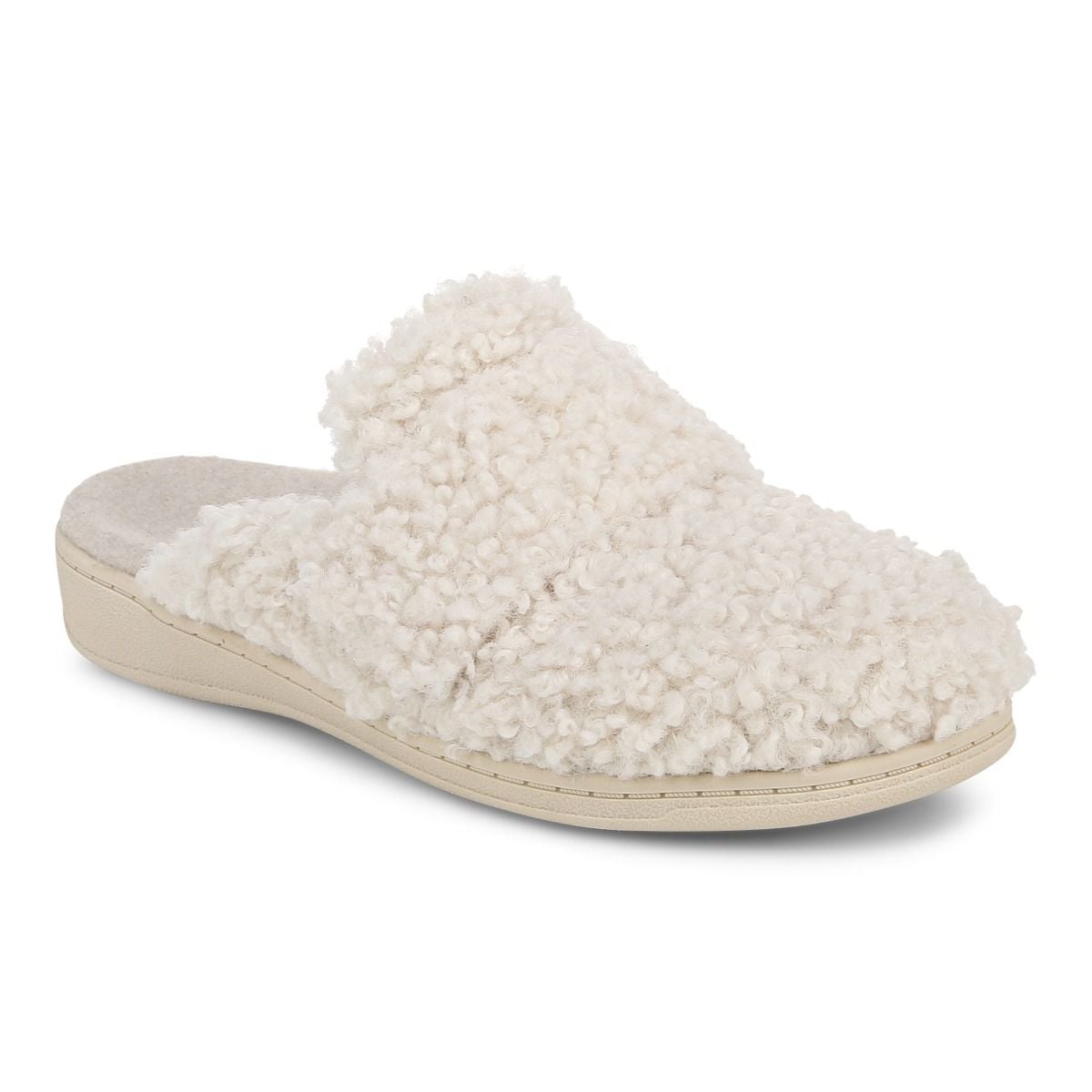
Recovery footwear is the category brands sell for wearing after a long day, a workout or a stretch on your feet: usually a slide, sandal or slipper with a soft, cushioned base. This guide puts them side by side so you can compare them on facts instead of marketing.
Three details narrow the field fastest. The first is the back of the shoe. A closed back holds the heel, and an open back leaves it free. The second is the toe. Thong styles put a post between the toes, which some people cannot tolerate. The third is width, because most of these shoes list one width or none at all.
The back and the toe matter more than they seem. Several clinical sources we reviewed advise against flip flop styles for sesamoiditis and plantar fasciitis, while a source on Haglund's deformity favors backless or soft backed shoes. Those two pieces of advice pull in opposite directions, so every open back and thong style in this guide carries a label, and you can check it against your own situation.
A word on APMA, the American Podiatric Medical Association. Its Seal of Acceptance database lists products the association has reviewed. Where the database names an exact model, the card says so. Where it names only a collection, the card says that instead. Where we found no listing, the card says that too.
One limit to keep in mind: this guide does not tell you which shoe will ease a condition. It reports what manufacturers state and what we could verify. If you have pain, swelling, a wound or a recent surgery, ask a podiatrist or your doctor before you choose.